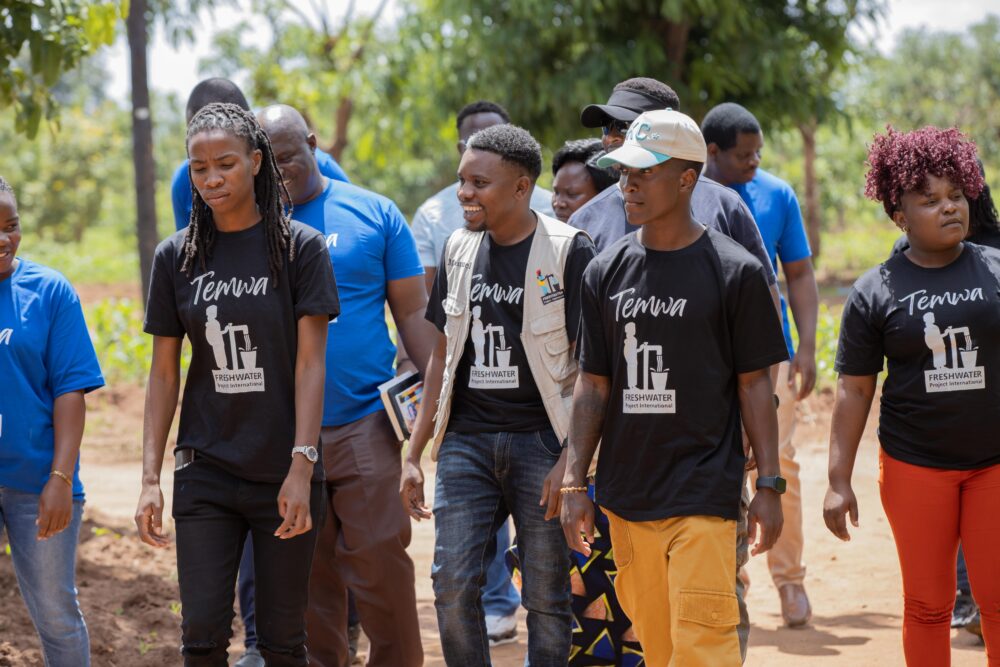
As Malawi’s water crisis undermines education and public health, footballer Temwa Chawinga’s intervention shows both the promise and limits of celebrity-led development.
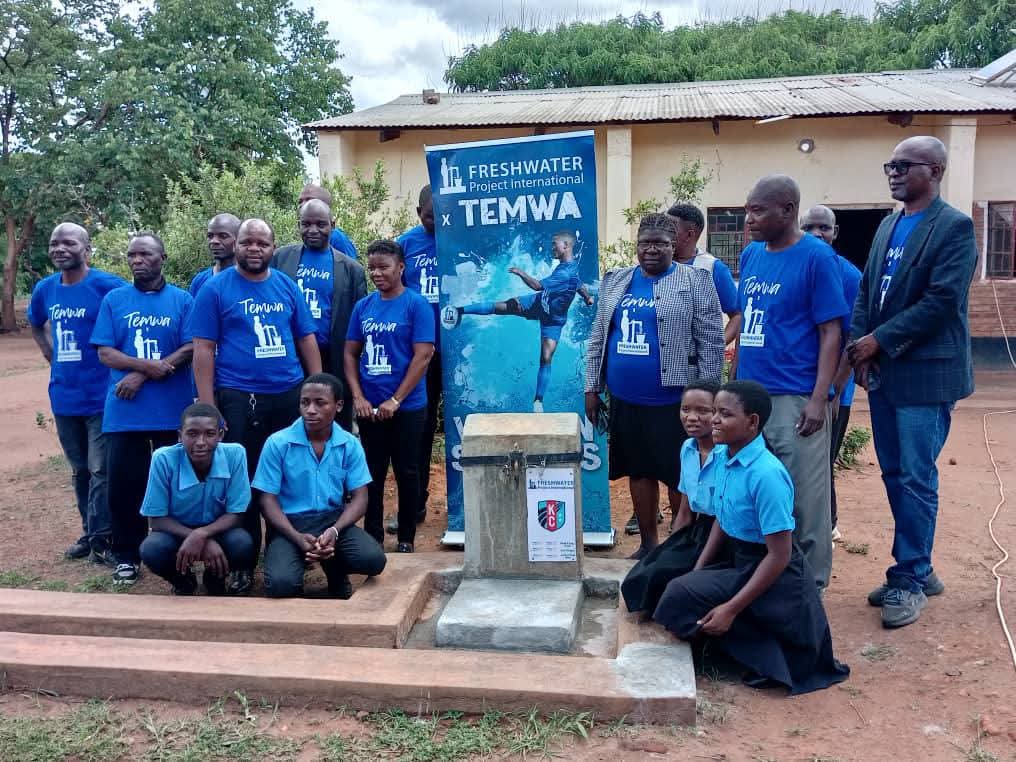
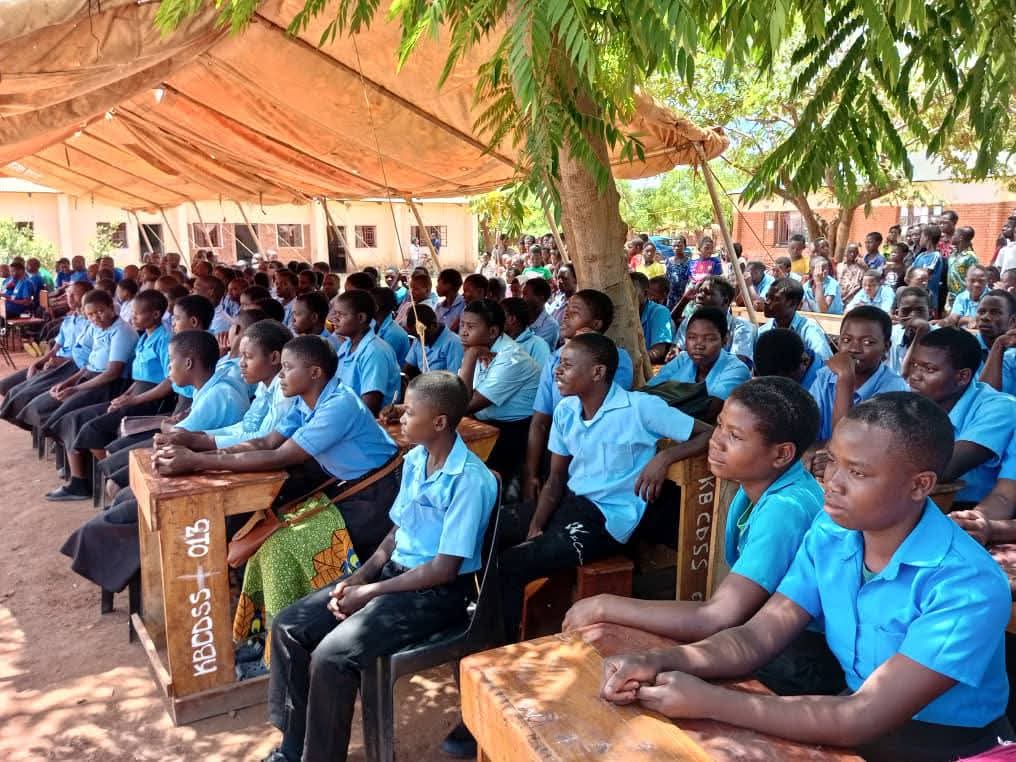
In December 2025, a 93-million-kwacha piped water system was inaugurated at Kabwinja Primary and Secondary Schools in Malawi’s Dowa District.
In many countries, such infrastructure would be routine. In rural Malawi, it is transformative and quietly damning.
The project’s significance lies not only in the pipes and tanks but also in who made them possible.
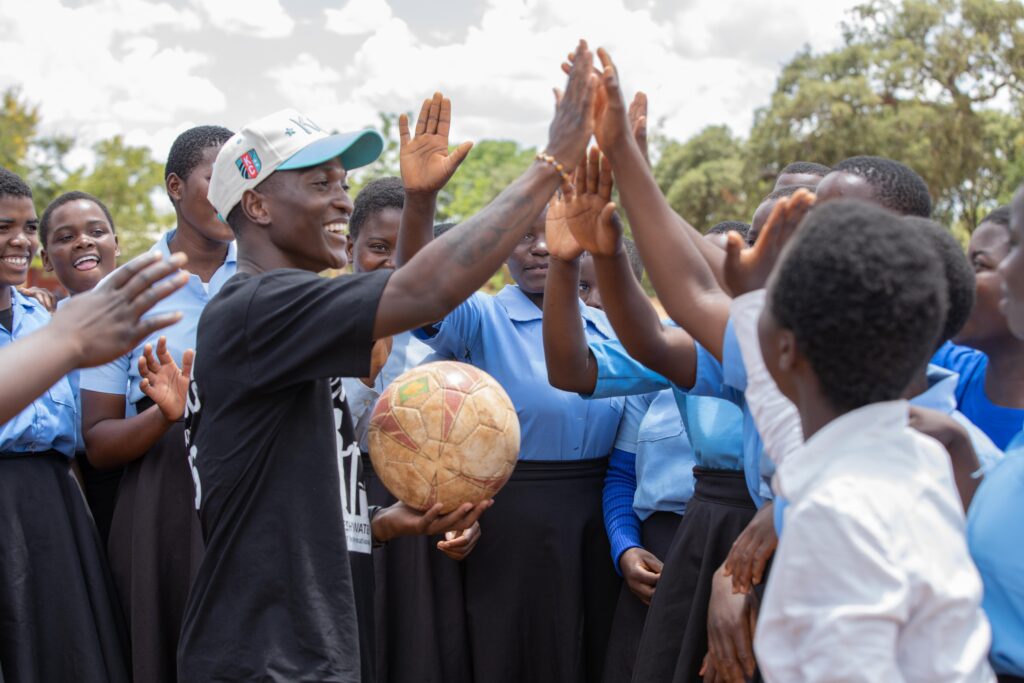
Temwa Chawinga, a 27-year-old Malawian footballer and global star with the Kansas City Current, helped mobilise the resources that delivered clean water to two public schools that had long gone without it.
Her involvement exposes an uncomfortable reality: in one of the world’s poorest countries, access to something as basic as clean water can depend on the global success of an individual athlete rather than the capacity of the state.
Malawi’s water crisis rarely makes headlines.
According to the World Bank, just 69% of the rural population had access to basic drinking water in 2022.
That figure obscures deeper dysfunction. Of nearly 100,000 rural water points mapped in 2020, only about 60% were functional.
Schools are particularly exposed. While most report “access” to water, nearly one in five rely on unprotected sources, and fewer than 5% have handwashing facilities with soap.
The consequences are stark: diarrhoeal disease accounts for roughly 11% of deaths among Malawian children under five, more than 3,000 deaths annually.
For those who survive, illness disrupts education. Children globally miss hundreds of millions of school days each year due to waterborne disease, reinforcing cycles of poverty.
In Malawi, water- and sanitation-related illnesses cost the economy an estimated US$57 million annually, a heavy burden for a country already strained by debt and fiscal austerity.
The water crisis is also a gender issue. In schools without adequate water and sanitation, adolescent girls often stay home during menstruation, leading to chronic absenteeism and higher dropout rates.
Studies across sub-Saharan Africa link inadequate WASH facilities to lower educational attainment and reduced lifetime earnings for women.
At Kabwinja, before the new system was installed, the two schools shared a single borehole with the surrounding community.
During the dry season, queues stretched for hours. During the rains, contamination was common. Teachers reported frequent illness and declining attendance, especially among girls.
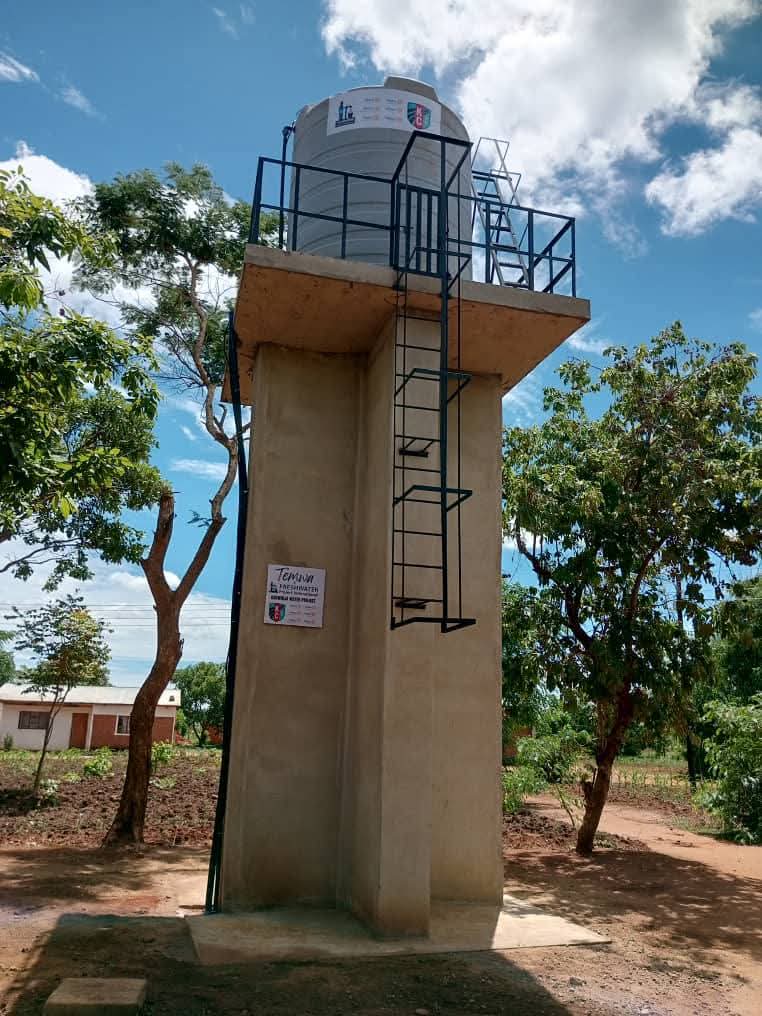
The new system, part of the Temwa X Freshwater: Water, Health & Hygiene initiative, includes a mechanised pump, a 10,000-litre elevated tank, and 31 water kiosks serving both schools and the surrounding village. Valued at roughly US$570,000, it is a significant investment by any standard.
Education officials expect improved attendance, better learning outcomes, and greater teacher retention, all contingent, however, on whether the system continues to function.
That caveat matters. Malawi’s rural water infrastructure has a long history of failure. Government data show that 30% of rural water points have broken down, with a further 10% abandoned entirely.
Community-managed systems often lack the funds, spare parts, or technical expertise needed for long-term maintenance.
Ironically, more sophisticated systems can be less resilient. Research shows that piped water schemes in rural areas are significantly less likely to remain functional than simple hand-pump boreholes.
Vandalism, poor construction quality, and weak oversight compound the problem.

Kabwinja’s system includes trained water committees and local technicians and best practice in the sector. But officials acknowledge that chronic underfunding of operations and maintenance remains unresolved.
Without sustained institutional support, Kabwinja risks becoming another data point in Malawi’s infrastructure graveyard.
Chawinga’s rise has been extraordinary. From Rumphi District to Sweden, China and the United States, she has become one of the world’s most prolific goal-scorers.
In the US National Women’s Soccer League, she has broken scoring records, won MVP awards, and become the first Malawian to play and score in the league.
That visibility has power. Research by the African Union and others shows that elite women athletes can disrupt gender norms and expand social possibilities for girls.
Chawinga’s presence alone carries symbolic weight in a country where sporting and economic opportunities for women remain limited.
She leveraged that platform effectively. With support from her US club, international NGOs, and American fans, funds were raised and hygiene kits assembled thousands of kilometres away, then delivered to rural Malawi.
Still, this success also raises difficult questions. Why should a public school’s access to water depend on international fundraising driven by sporting celebrities? What does it say about state capacity when core services are delivered through ad hoc philanthropy?
Malawi has signalled renewed commitment to water and sanitation, including the creation of a standalone Ministry of Water and Sanitation in 2024 and alignment with the Malawi 2063 development agenda.
But financing gaps remain vast. Even effective NGOs reach only a fraction of those in need.
Climate change is tightening the squeeze. Cyclones and droughts have already destroyed millions of dollars’ worth of water infrastructure across southern Africa, pushing communities back to unsafe sources.
Rural systems, already fragile, face mounting environmental stress.
Kabwinja offers both hope and warning. Clean water can transform education, health, and daily life, but only if systems endure. Chawinga’s intervention shows what is possible when visibility meets commitment. It also highlights what remains broken.
National development cannot hinge on the emergence of a world-class footballer willing to fund basic infrastructure.
When her trophies fade from memory, the pipes at Kabwinja will tell a more important story, about whether Malawi can build systems that last without relying on extraordinary individuals to make up for ordinary failures.
