By Reported by Ephraim Mkali Banda
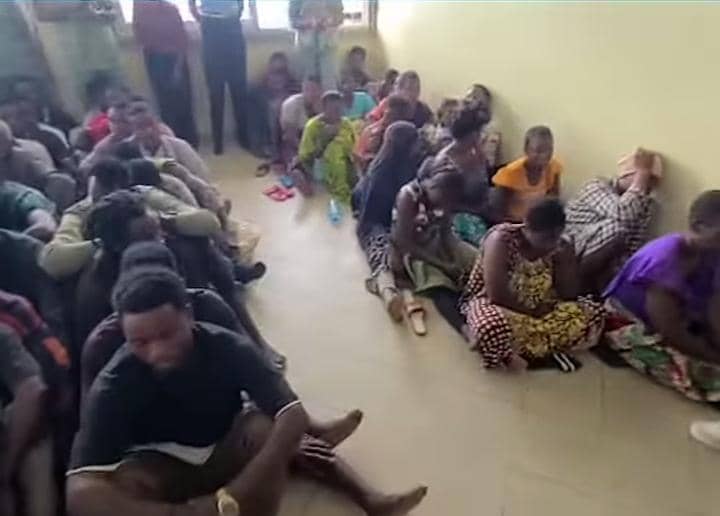
Dar es Salaam, Tanzania — A sweeping immigration crackdown in Tanzania has detained 31 Malawians, spotlighting escalating tensions over cross-border movement in East Africa and raising alarm about the treatment of foreign nationals in the region.
Tanzanian immigration officials conducted house-to-house raids across Dar es Salaam between July 19-22, 2023, targeting undocumented residents in the commercial capital. The operation swept up dozens of foreign nationals, with Malawians forming the largest group of detainees.
“We have arrested 31 Malawians along with individuals from other countries,” Vincent Haule, head of Immigration in Dar es Salaam, told Malawi24. “These people have been living in our country without valid documents, which poses a threat to our national security. We have opened cases against them.”
Detainees describe midnight raids that left families separated and communities shaken. “They came while we were sleeping,” one Malawian told Malawi24, speaking anonymously for fear of reprisal. “They took us into vehicles, and we didn’t know where we were being taken.”
The crackdown highlights the complex reality of migration in Southern Africa, where economic pressures drive thousands across borders seeking better opportunities.
Tanzania’s growing economy and position as a trade hub have made it a magnet for migrants from Malawi, Burundi, and the Democratic Republic of Congo.
The relationship cuts both ways. Tanzanian traders are fixtures in Malawian commercial centers, particularly in Mzuzu and the MaTaifa Market in Nkhata Bay. Many rent government-owned properties in Mzimba District, demonstrating the deep economic ties between the nations.
Yet diplomatic channels remain quiet. The Malawian Embassy in Tanzania claims no knowledge of the arrests. “We have not received official communication regarding the detention of our citizens,” a spokesperson said. While embassy officials maintain silence, rights groups voice growing concern about the raids.
The arrests expose a fundamental tension in regional policy. Both countries have signed Southern African Development Community (SADC) protocols promoting free movement, but implementation remains spotty. As economic migrants continue crossing porous borders, governments struggle to balance security concerns with humanitarian obligations.
For detained Malawians’ families, questions outweigh answers. “We just want to know that our brothers and sisters are safe,” said one relative. “We hope the governments will find a humane solution.”
