Despite progress towards global HIV targets, children living outside Malawi’s schools and family care systems face barriers to healthcare, with some struggling to remain on treatment.
By Madalisto Wills Kateta
At 6:30 a.m. at Chinsapo market in Lilongwe, a 15-year-old boy who calls himself James sweeps cardboard from beneath a stall that will soon sell vegetables. For around 11 months, the stall has also been where he sleeps.
James left his home in Dedza district in central Malawi after his father died. His mother could not afford food and school fees for him and his four siblings, and he came to Lilongwe believing that “the city has more opportunities”.
Instead, he ended up living on the streets, where he says children face violence, including sexual violence, and struggle to access sexual and reproductive healthcare.
“Life on the streets is tough, the older boys treat us roughly. For the girls the story is even sadder; they are usually sexually abused in exchange for protection, some even catch sexually transmitted infections,” said James.
Last year, James learned that he was HIV-positive during a mobile testing session. He was enrolled on antiretroviral treatment and told to collect his medication at Chinsapo health centre. But remaining on treatment has proved difficult while living on the streets.
“I was enrolled on HIV medication as soon as I tested positive to HIV and was told to be getting treatment at Chinsapo health centre, but I regularly default treatment. It sometimes becomes difficult to attend the clinic because I am busy on the streets trying to survive, and I have no one to remind me of my medication,” he said.
At the time of the interview, James said he had run out of medication, although he felt “okay most days”.
His experience exposes a challenge in Malawi’s HIV response. According to the World Health Organization’s 2025 annual report, Malawi achieved the global 95-95-95 HIV targets; 95% of people living with HIV know their status, 95% of those diagnosed are receiving treatment and 95% of those on treatment have achieved viral suppression.
However, earlier government data reveal significant disparities between adults and children. The Ministry of Health’s 2023–24 review found that 87% of children under 15 living with HIV knew their status, compared with 97% of adult women. Children also lagged behind adults in treatment coverage and viral suppression
The figures do not specifically account for children living on the streets, whose access to HIV services remains poorly documented.
James is among an estimated 15,000 children living on Malawi’s streets, according to child protection estimates. Around 65,000 children in the country are living with HIV, while new infections continue to be recorded among adolescents.
UNICEF estimates that 63% of children live in poverty, while the Global Hunger Index ranks Malawi 93rd out of 127 countries, with 21.9% of the population facing serious hunger.
For children living on the streets, finding food and somewhere safe to sleep can take precedence over seeking healthcare or keeping clinic appointments.
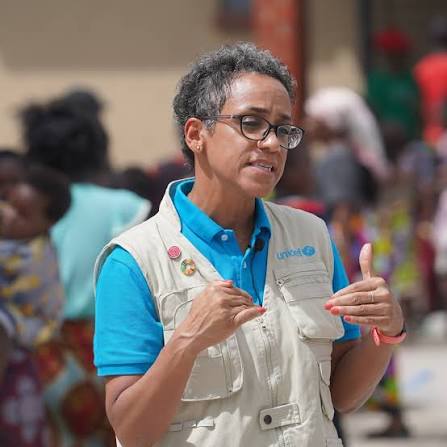
Yet Malawi has no national HIV interventions specifically designed for street-connected children, according to UNICEF Representative Dr. Penelope Campbell.
“At present, there are no national HIV interventions specifically designed for street-connected children,” said Campbell.
She said community youth clubs and youth-friendly health services available in many districts are open to children who are not attending school. In some communities, health workers can also connect street-connected children to care.
“However, there is no data showing how many children and adolescents living on the streets are indeed accessing these services,” she said.
That lack of information raises questions about how effective the country’s HIV response is reaching children who live outside conventional family, education and healthcare systems.
In Blantyre’s Mbayani township, 16-year-old Tina, from Neno district, faces similar challenges.
She left school in Standard 7 in 2022 after her mother died. Her elderly grandmother could not afford to feed her and her siblings, prompting Tina to travel to the city in search of work, possibly as a house help.
“I tried my luck with jobs, but I couldn’t get any. Faced with this reality, I ended up on the streets. At least I had to survive,” she said.
Although a health centre offering youth-friendly sexual and reproductive health services is nearby, Tina has never attended a session. She also struggles to obtain sanitary pads when she is menstruating.
“I have never attended a youth friendly sexual reproductive health session. Those services are for children with opportunities, students in uniforms and not wasted people like me,” she said.
Her experience points to a barrier beyond the availability of services. For children living on the streets, the question is also whether they believe those services are intended for them.
Davies Mwachumu, advocacy and marketing officer at AIDS Healthcare Foundation (AHF), says adolescent sexual and reproductive health services have become more difficult to access for children who are not enrolled in school.
In Lilongwe, AHF runs occasional mobile testing clinics, but James says these do not always provide the privacy young people need.
“When mobile clinics come, the queue is long and the space is public and privacy is scarce,” he said.”I want to know how to stay safe.”
Mwachumu acknowledged that outreach to children living on the streets remains limited, despite mobile clinics operated by AHF and government partners.
“The work requires trust, time, and safe spaces. Street children move, they sleep in different places and appointments are hard to keep when your day is built around moving around finding food and accommodation,” he said.
James said he would have returned to treatment sooner if someone had approached him respectfully, rather than shouting at him, and explained what he needed to do.
Dingaan Mithi, programme manager at JournAids Malawi, says the central problem is not necessarily the availability of medicine, but whether children can access it.
“If services only sit inside buildings, street children will not come. If we only speak through schools, they will not hear us,” said Mithi.
He believes peer navigators could help bridge the gap by allowing older adolescents who have lived on the streets to share information, accompany younger children to clinics and follow up with them.
But he warned that such work requires sustained support.
“Donor cycles are short while working with children connected to the street needs patience and a lot of time. While older adolescents who have lived on the street can share information, and accompany younger peers to clinics, and follow up, the situation is challenging because these children are hungry, and the risk rises.”
UNICEF says it is working with partners to connect vulnerable adolescents to existing services.
Campbell said the organisation uses the Adolescent Risk and Vulnerability Assessment Tool (RVAT) to connect adolescents, including street-connected children, with social welfare, health, education and mental health services. Since 2022, the programme has reached more than 63,000 adolescents across five districts.
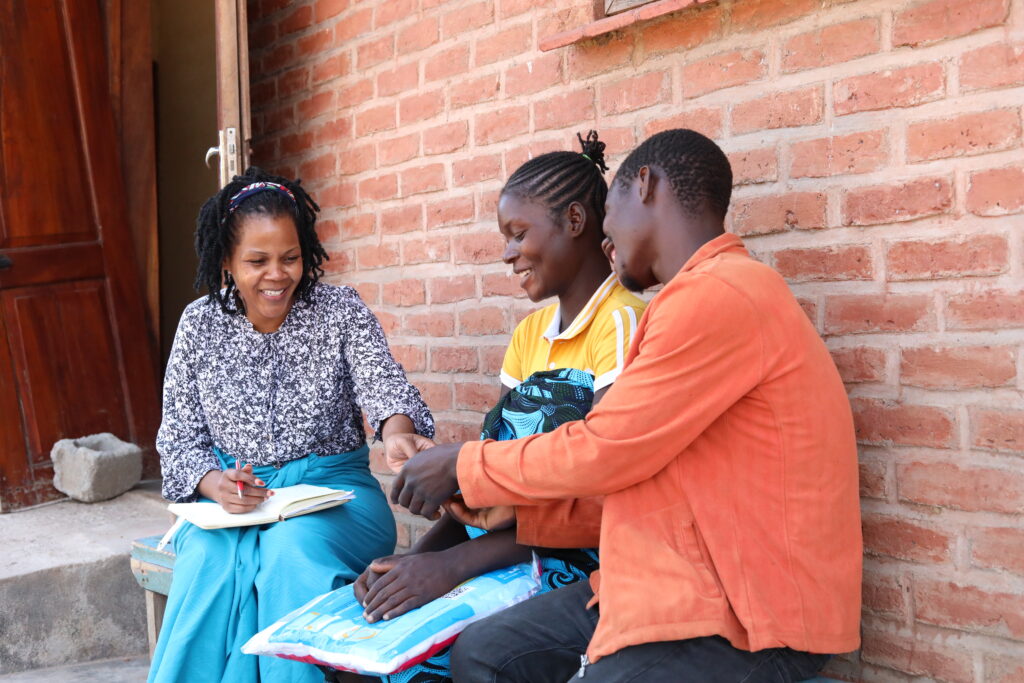
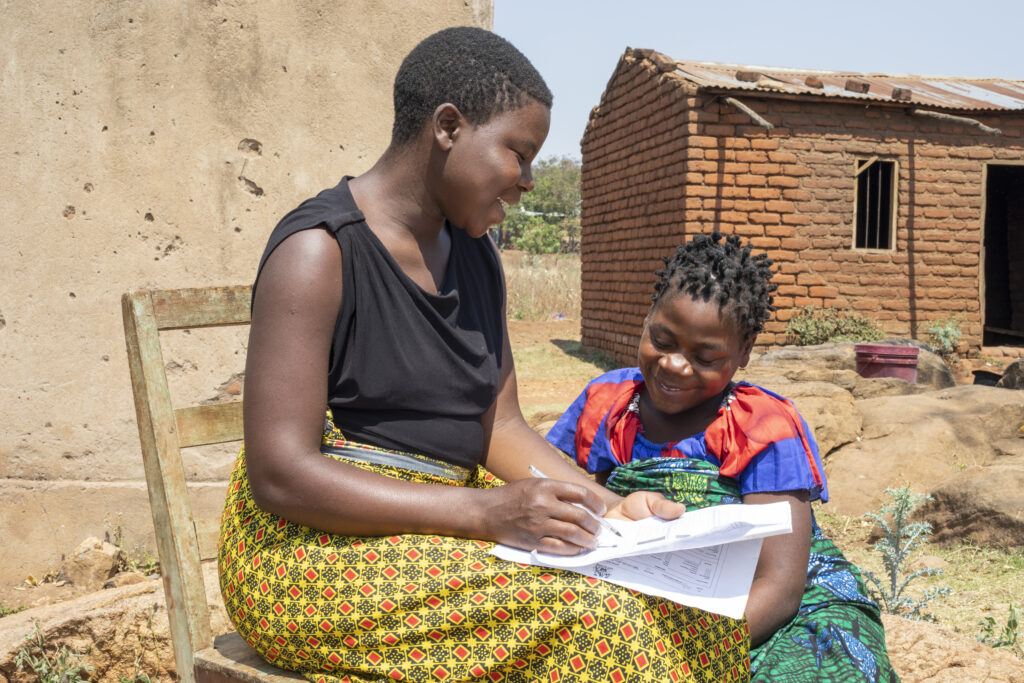
A social worker takes SRHR information to an adolicent girl in southern Malawi. Photo Credit UNICEF Malawi.
UNICEF also supports outreach clinics, community health workers and youth club leaders to connect adolescents with sexual and reproductive health and HIV services.
Among its initiatives are Children’s Corners, community-owned spaces where children aged six to 18 can play, learn and receive psychosocial care outside school hours.
But the organisation has not established how many street-connected children are accessing the services available to them.
The gap in healthcare access is compounded by the difficulty of identifying children who live outside households and schools.
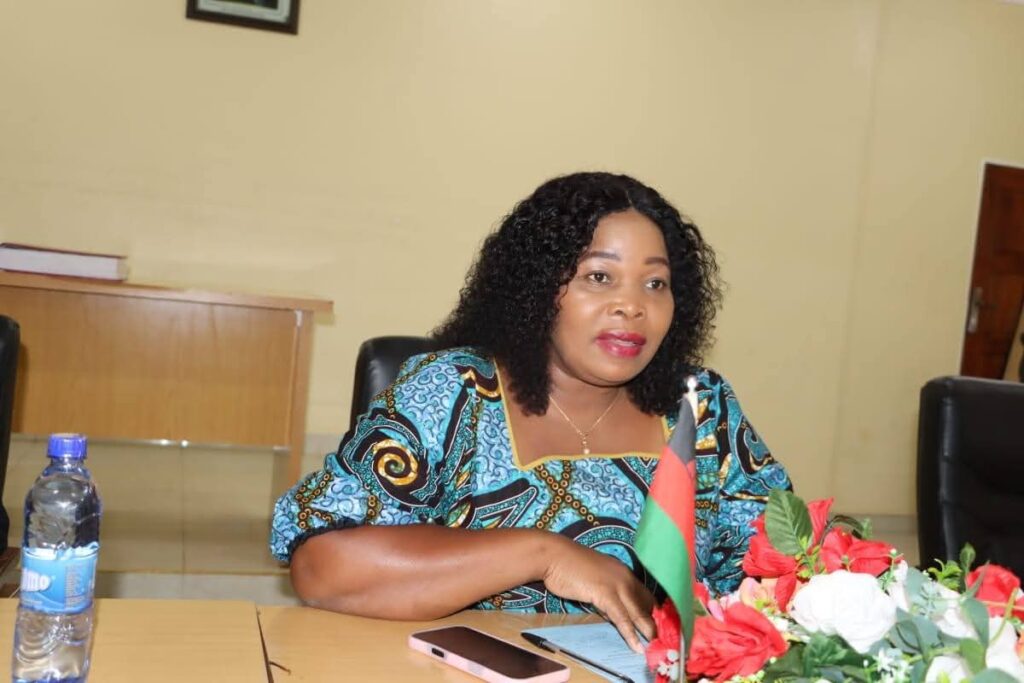
Minister of Gender, Children, Disability and Social Welfare Mary Navicha says Malawi’s adolescent sexual and reproductive health strategy prioritises schools and youth centres, which reach many adolescents but not all.
Speaking at the launch of Malawi’s Inclusive Data Charter Action Plan, which places child homelessness and child-headed households among national development priorities, Navicha said the government would strengthen family and community-based care, expand social protection programmes and improve child protection services.
“We must ensure that every vulnerable child is counted, protected and supported so that no child is left on the streets,” she said.
Fredrick Changaya, director general of the National Planning Commission, said many children remain invisible in Malawi’s current data systems.
“If we do not count them, we cannot plan for them. We need inclusive data systems that recognise homeless children and child-headed households,” said Changaya.
For a country seeking to sustain its HIV gains, the absence of reliable information about children living on the streets presents a further challenge. Children who are difficult to count may also be difficult to reach through services organised around schools, households, clinics and fixed appointments.
In the evening in Mbayani, after the buses leave, Tina counts her coins. She says her priority is staying safe.
In Lilongwe, James faces a more immediate challenge of staying on the HIV treatment he has already begun while trying to survive on the streets.
Madalitso Wills Kateta is a freelance journalist based in Lilongwe, Malawi, he specialises in gender, human rights, climate change, politics and global development reporting. He has written for publications such as Thompson Reuters Foundation, The New Humanitarian, African Arguments, Equal Times and others.
